
How do professional soccer players train?
The age-old adage "practice makes perfect" often resonates as a mere cliché for the average person, a fleeting gust of motivation that passes as quickly as it arrives. However, when such a philosophy is championed by a living legend like Cristiano Ronaldo, the global community of young athletes recognizes it as the definitive blueprint for superstardom.
Football stands unrivaled as the king of sports, boasting hundreds of millions of participants worldwide, yet a staggering chasm in class exists between an amateur enthusiast and a seasoned professional. This immense "distance" in quality is meticulously constructed through the daily grind and specialized regimes.
To bridge this gap, one must understand the inner workings of elite environments, a secret world of preparation that Flashscoremobi is set to uncover by answering the pivotal question: How do professional soccer players train?
How do professional soccer players train?
At prestigious institutions like the Bayern Academy, training is not merely a series of drills but a comprehensive program designed to hone skills to a professional standard. This approach goes far beyond routine exercises, integrating advanced technical refinement, tactical intelligence, and peak physical conditioning.
Mastery of technical fundamentals
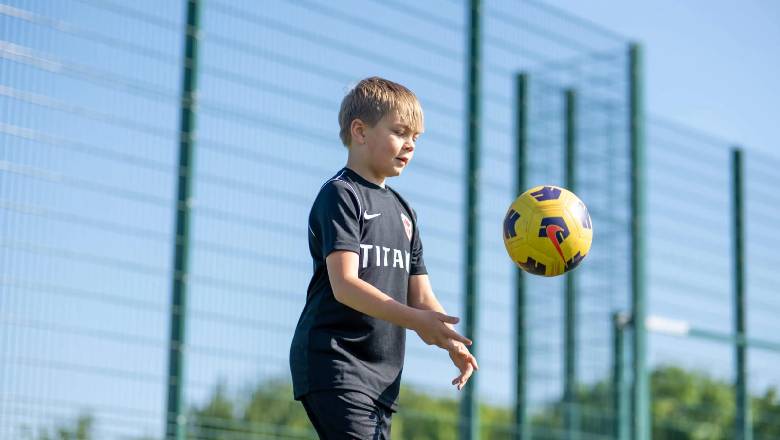
Technical development serves as the foundation of this pyramid. Stars spend hours daily perfecting ball handling, shooting, and passing until these actions become second nature. Elite players perform these drills repetitively to ensure that even under the suffocating pressure of a match, their execution remains flawless. This might include practicing free kicks from various distances or working on a "first touch" to control the ball instantly.
Cultivating game intelligence
Parallel to technical mastery is the cultivation of "Game Intelligence," an attribute that separates the greats from the good. Top-tier programs emphasize studying game strategies and positional roles. This often involves watching videos of their own games and those of their opponents to analyze performance and identify areas for improvement.
Tactical drills on the field simulate real game situations to enhance quick decision-making abilities. This mental sharpening allows players to be at the right spot at the right time instinctively.
Functional strength and power
The physical demands of the modern game necessitate a sophisticated strength and conditioning regime. Professional players typically hit the gym2 to 3 times a week, focusing on functional strength through squats, lunges, and push-ups. This isn't just about building big muscles. It is about "enhancing power, speed, and agility," as noted by experts at the Bayern Academy. A strong core is essential for balance and control on the pitch, allowing players to win duels and shoot with more power.
Precision in balance and coordination
At Tottenham Hotspur’s state-of-the-art facility, The Lodge, the focus shifts toward specialized mobility. Carlos Lalin, the head of First Team Performance and a trusted aide to Jose Mourinho, places balance at the center of his sessions. Exercises often include arching forward while standing on one leg to strengthen the core and coordination.
Lalin asserts that "if your muscles are shaking, then this means you're really working them as you try to balance." This ensures players can "turn on a dime" and drastically reduces the risk of serious ligament injuries.
Speed and agility drills
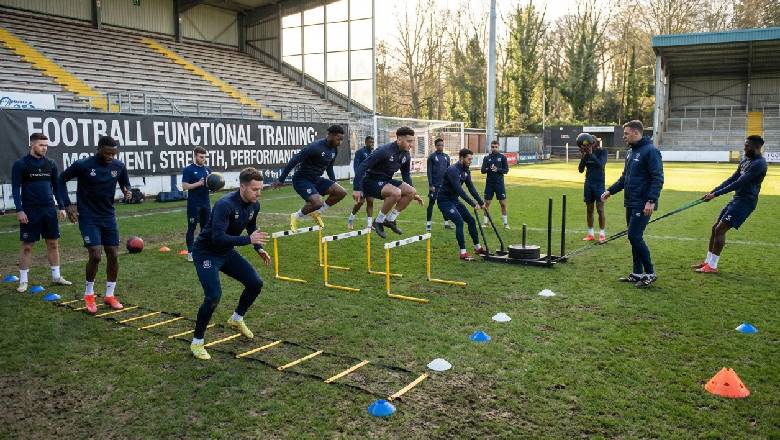
Ever wonder how elite players change direction so quickly? They incorporate specific speed and agility drills into their weekly routine. These exercises, such as ladder drills for footwork and cone drills for agility, improve acceleration and overall quickness.
In the Premier League, where speed is a requirement, young talents identify these areas as vital for growth, constantly working to become "quick, strong, and powerful."
Nutritional periodization and fueling
Nutrition acts as the chemical engine for this physical output. Club nutritionists like Craig Umenyi meticulously manage caloric intake. The day before a match, players "pile on the carbs" with foods like pasta to fill up with energy. Post-match, the focus shifts to proteins like steamed chicken or salmon for muscle repair, supplemented by antioxidants from mixed berries to rebuild the body. Even fiber is carefully managed through snacks like "energy balls" made of dates and oats to provide fullness without bloating.
The science of recovery
Recovery is the final, yet perhaps most vital, piece of the professional puzzle. Following a game, players often undergo an 8-minute ice bath to dampen physiological stress, followed by a transition to warm tanks at 36°C (97°F).
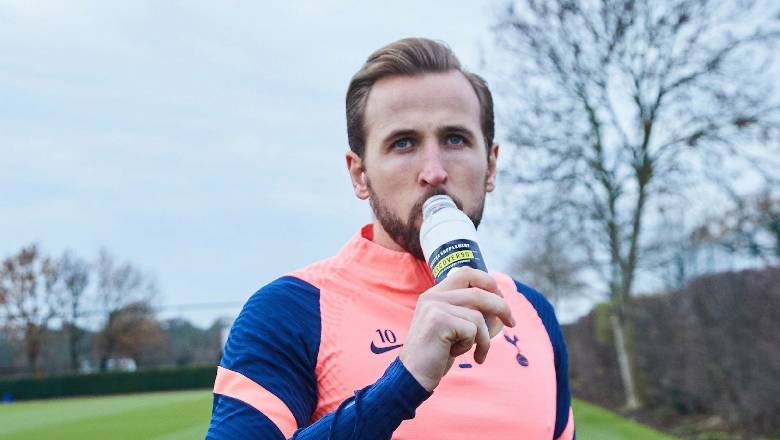
This is supplemented by micro-nutrients like Vitamin C and Iron to support blood health and oxygen flow. As CLalin famously tells his students: "Imagine you are a champion. Think like a champion, train like a champion, and you will become a champion."
Essential professional training components:
Technical drills
Tactical intelligence
Functional strength
Speed and agility
Positional specialization
Nutritional periodization
Advanced recovery
This deep dive by Flashscoremobi.com into the reality of How do professional soccer players train? illustrates that the "magical" control seen on television is actually the result of immense physical and mental sacrifice. These superstars earn their staggering rewards because they endure levels of pain and discipline that the average person can hardly imagine.
To discover more fascinating statistics and untold stories from the history of world football, we invite you to visit our homepage. Beyond these insightful articles, we are confident in providing you with the highest quality experience through our diverse and rapid statistical platform. Whether you need real-time updates on matches across the globe, objective multi-dimensional analysis, or the latest transfer news and schedules for the world’s top leagues, we are your ultimate destination for everything football.
The Most Popular
-
 How many games are there in a Bundesliga season per team?
 -
 Why is football so popular in Spain?
 -
 6 Brazil's biggest wins in football history: The shocking 9-goal thrashing of Argentina
 -
 Ranking the 5 dark horses for the 2026 World Cup: Waiting for Haaland’s debut, 2 Asian teams to watch
 -
 10 football players who played for Real Madrid and Barcelona: Figo the “traitor”, Eto'o’s costly mistake
 -
 What position does Erling Haaland play?
 -
 Brazil national football team squad for the 2026 World Cup predicted: Casemiro’s last shot, Neymar in the spotlight
 -
 Why did De Bruyne leave Man City?
 -
 How much did Real Madrid pay for Camavinga?
 -
 How much did Real Madrid pay for Eden Hazard?